
Mold in Humidifiers: The Safe Fix You Need. Mold in humidifiers is a hidden problem that can affect your air quality, your health, and the overall comfort of your home. If you’ve noticed a musty smell, black spots, or dust-like particles coming from your humidifier, you may be dealing with mold growth. The good news? You can fix it quickly and safely.
Quick Answer – How to Fix Mold in Humidifiers:
- Turn off and unplug the humidifier immediately.
- Empty the water tank and discard any leftover water.
- Clean with white vinegar to dissolve mineral buildup and kill mold.
- Disinfect with hydrogen peroxide or bleach (if the manufacturer allows).
- Scrub all parts with a soft brush or cloth.
- Rinse thoroughly with clean water.
- Dry completely before refilling.
- Use distilled water to prevent future mold growth.
Now, let’s go fully into how mold grows in humidifiers, the risks it poses, and the best expert-backed solutions for keeping your machine safe and mold-free.
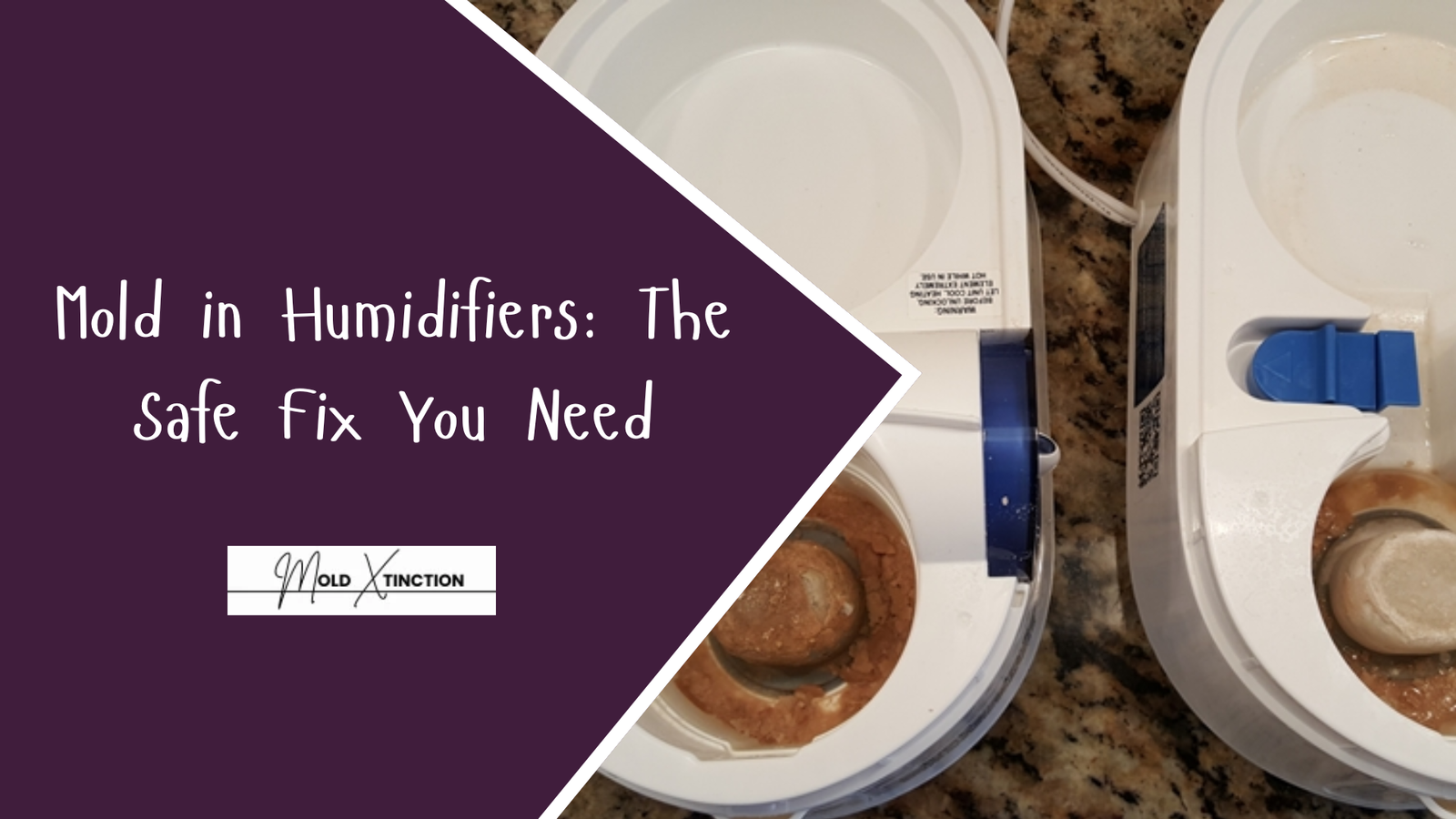
Why Mold Grows in Humidifiers
Humidifiers work by adding moisture into the air, which can be great for dry skin, allergies, and breathing comfort. But that same moisture creates the perfect environment for mold if not handled properly.
- Warm, damp areas inside the tank and tubing are mold-friendly.
- Standing water left for more than a day gives mold spores time to multiply.
- Mineral deposits from tap water act as food for bacteria and fungi.
This is why regular cleaning is not optional—it’s essential.
Dangers of Mold in Humidifiers
Ignoring mold in your humidifier can lead to more than just bad smells.
- Respiratory issues: Breathing mold spores can trigger coughing, sneezing, and wheezing.
- Allergic reactions: Mold exposure often causes itchy eyes, skin rashes, or headaches.
- Infections: People with weak immune systems risk serious fungal infections.
- Humidifier lung: A rare but dangerous condition caused by inhaling contaminated mist.
If your humidifier is spreading mold, it’s not helping your health—it’s harming it.
Step-by-Step Guide: The Safe Fix for Mold in Humidifiers
Step 1: Unplug and Empty
Always unplug your humidifier before cleaning. Empty out every drop of old water from the tank and reservoir.
Step 2: Clean with Vinegar
Fill the water tank halfway with white vinegar. Swish it around and let it sit for 30 minutes. Vinegar naturally kills mold and dissolves scale.
Step 3: Scrub All Surfaces
Use a soft brush, cotton swab, or cloth to scrub corners, lids, and crevices where mold hides.
Step 4: Disinfect Thoroughly
- Use 3% hydrogen peroxide solution for a safe disinfectant.
- Alternatively, dilute one teaspoon of bleach per gallon of water if your humidifier manual says bleach is safe.
Let the solution sit for 20 minutes before rinsing.
Step 5: Rinse and Dry
Rinse with clean water several times until no vinegar or bleach smell remains. Wipe dry or leave it open to air-dry completely.
Step 6: Refill with Distilled Water
Tap water contains minerals that encourage mold growth. Distilled water reduces buildup and keeps your humidifier clean longer.
Prevention: How to Keep Mold Out of Your Humidifier
Daily Habits
- Empty the water tank every night.
- Wipe the inside with a soft cloth.
- Refill only with fresh water.
Weekly Deep Clean
- Soak with vinegar once a week.
- Disinfect with hydrogen peroxide or bleach solution.
- Check filters (if your unit has them) and replace as recommended.
Smart Usage Tips
- Set the right humidity: Keep indoor humidity between 30%–50%.
- Place humidifier on a raised surface: Avoid damp carpets or corners.
- Use antimicrobial filters or cartridges: These help reduce bacteria and mold growth.
Best Cleaning Products for Mold in Humidifiers
While vinegar and hydrogen peroxide are effective, some ready-to-use cleaners are designed specifically for humidifiers:
- Humidifier cleaning tablets – Drop one in your tank to reduce buildup.
- Descaling solutions – Great for hard water deposits.
- Antimicrobial cartridges – Provide ongoing protection between deep cleans.
Always check your manufacturer’s manual before using any chemical cleaner.
Signs It’s Time to Replace Your Humidifier
Sometimes cleaning isn’t enough. Consider replacing your humidifier if:
- Mold keeps coming back despite deep cleaning.
- Plastic parts are stained or cracked.
- It has a strong smell even after disinfecting.
- It’s more than 5 years old and hard to maintain.
A fresh unit is often cheaper than constant treatments and safer for your health.
Expert Tips: Mold-Free Humidifier Maintenance
- Change water daily: Never let water sit overnight.
- Keep it dry when not in use: Empty and air-dry after each use.
- Invest in distilled water: Saves you time scrubbing mineral buildup.
- Replace filters regularly: A clogged filter can harbor mold.
- Schedule weekly cleaning: Mark it in your calendar to avoid forgetting.
How Mold in Humidifiers Affects Indoor Air Quality
When we think about clean air at home, humidifiers usually come to mind as a helpful solution. They keep our throats from drying out, ease allergy symptoms, and even protect wooden furniture from cracking. But if mold is growing inside, the humidifier stops helping and starts harming.
Mold spores released into the air are invisible to the naked eye, but they can travel throughout your living space. Once inhaled, they may cause irritation even in healthy people. For children, elderly individuals, or those with asthma, the impact can be much worse. Mold-contaminated mist can lead to poor indoor air quality that feels stuffy, damp, and unhealthy.
In fact, the U.S. Environmental Protection Agency (EPA) warns that mold exposure indoors can trigger asthma attacks and worsen existing breathing conditions. That’s why controlling mold at its source, your humidifier—is essential.
Common Mistakes That Lead to Mold Growth in Humidifiers
Many people don’t realize that their daily habits are fueling mold growth. Here are some common mistakes that could be making your humidifier unsafe:
- Using tap water instead of distilled water – Tap water often contains minerals that feed mold and bacteria.
- Leaving water in the tank overnight – Standing water is mold’s favorite breeding ground.
- Not cleaning filters or pads – If your humidifier uses filters, forgetting to clean or replace them creates the perfect mold trap.
- Running the unit constantly – Too much humidity can make your home feel damp, leading to mold not just in the humidifier but also on walls and furniture.
The good news? Each of these mistakes can be avoided with small adjustments to your routine.
How to Tell if Your Humidifier Has Mold
Sometimes mold is obvious—you’ll see black or green spots inside the tank. Other times, it’s more subtle. Watch for these signs:
- Musty odor: If your humidifier smells like an old basement, mold is likely inside.
- White dust: Mineral residue on furniture may indicate poor cleaning and potential mold.
- Allergy flare-ups: If sneezing, itchy eyes, or coughing worsen when the humidifier is running, mold could be the cause.
- Visible slime or buildup: Even clear or whitish film inside the tank may indicate bacteria or mold growth.
If you notice any of these signs, it’s time for a deep clean—or even a replacement.
Choosing the Right Humidifier to Prevent Mold
Not all humidifiers are created equal. Some designs make mold prevention easier than others.
- Cool mist ultrasonic humidifiers are popular, but they often leave mineral dust if not maintained.
- Evaporative humidifiers use wicks and fans, which can grow mold if the wick isn’t changed often.
- Warm mist humidifiers boil water before releasing steam, reducing mold risk but using more energy.
When shopping for a new humidifier, look for models labeled “easy to clean” or those with dishwasher-safe parts. Some even have UV light technology or antimicrobial tanks that reduce the chance of mold growth.
The Long-Term Benefits of Keeping Your Humidifier Mold-Free
Staying consistent with cleaning may feel like extra work, but the rewards are worth it:
- Better health: You’ll breathe easier and avoid mold-related illnesses.
- Improved comfort: Proper humidity helps with dry skin, nosebleeds, and sleep quality.
- Energy savings: A well-maintained humidifier works efficiently, using less electricity.
- Home protection: Balanced humidity protects wood floors, furniture, and even musical instruments.
Think of your humidifier as part of your health routine, just like washing your hands or cleaning your kitchen. A mold-free humidifier means a healthier home for you and your family.
FAQs About Mold in Humidifiers
Can mold in humidifiers make you sick?
Yes. Mold spores can trigger allergies, asthma, and respiratory infections. Prolonged exposure may cause “humidifier lung,” a serious lung condition.
What is the best way to kill mold in a humidifier?
White vinegar is the safest natural cleaner. For stronger disinfection, hydrogen peroxide or a diluted bleach solution works best. Always rinse thoroughly.
How often should I clean my humidifier to prevent mold?
Daily rinsing and weekly deep cleaning are recommended. Never let water sit inside for more than 24 hours.
Can I use essential oils in my humidifier to fight mold?
No. Most humidifiers are not designed for oils. They can damage the unit and promote residue buildup. Stick to vinegar and peroxide for cleaning.
Is it safe to use a humidifier with mold in it?
Absolutely not. Running a moldy humidifier spreads spores into your air, putting your health at risk. Always clean before using.
Helpful Guide:
Conclusion
Mold in humidifiers isn’t just an annoyance, it’s a health hazard. Thankfully, fixing it is simple: empty, clean with vinegar, disinfect, rinse, and refill with distilled water. So following daily and weekly maintenance steps, you will be able to enjoy cleaner air, better health, and a longer-lasting humidifier.
Don’t wait until mold makes you sick, take action today and give your humidifier the safe fix it needs.