
Car AC Smells Like Mold? Quick Fix That Works. If your car AC smells like mold, you’re not alone. That musty, damp odor usually comes from moisture trapped inside your AC system, and it can make every drive uncomfortable. The good news is, you don’t need an expensive repair, there are quick fixes you can try right now.
Quick Fix (Step-by-Step):
- Step 1: Turn off the AC but keep the fan running for 5–10 minutes to dry out moisture.
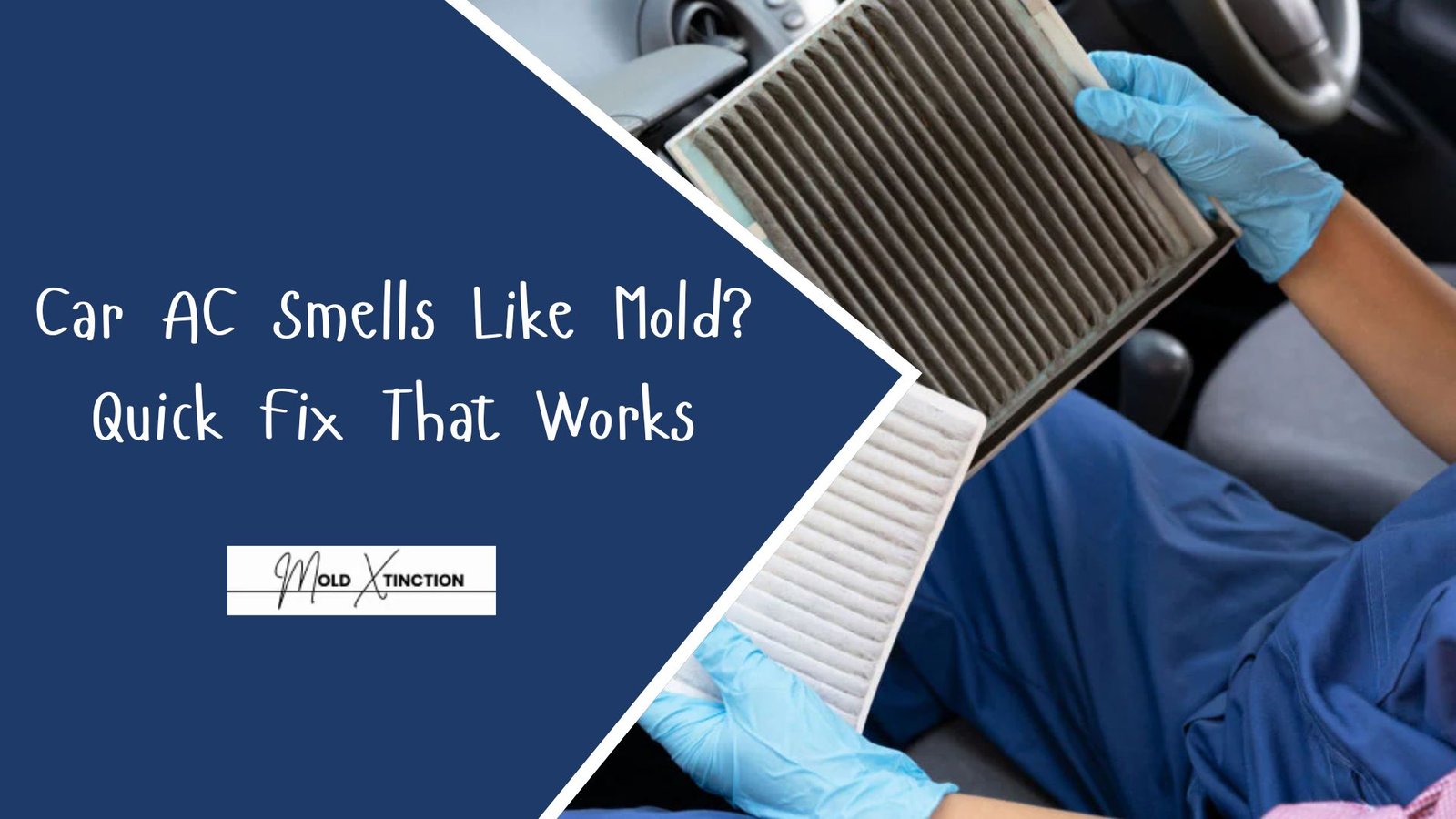
- Step 2: Replace your cabin air filter (a dirty filter traps mold and bacteria).
- Step 3: Spray an AC cleaner or disinfectant into the air vents and intake area.
- Step 4: Run the AC on fresh air mode (not recirculation) for a few minutes.
- Step 5: If smell persists, clean the evaporator coil with a foaming AC cleaner.
That’s it. Follow these steps and you’ll notice fresher air almost immediately. Now let’s go deeper into why your AC smells like mold, how to fix it properly, and how to prevent it from coming back.
Why Does My Car AC Smell Like Mold?
When you switch on the AC, condensation builds up inside the system. Normally, this water drains out. But if moisture lingers on the evaporator coil or inside vents, bacteria and mold start growing. That’s what causes the damp, musty smell.
Other common reasons include:
- Clogged cabin air filter trapping dirt and mold.
- Blocked drain tube leaving standing water in the system.
- Recirculation mode overuse that traps humid air inside.
- High humidity environment making the AC system damp.
Quick DIY Fixes for Car AC Mold Smell
1. Run the Fan After Turning Off the AC
Moisture is the root problem. By letting the fan run for 5–10 minutes after you shut off the AC, you help dry out the evaporator coil. This prevents mold spores from settling.
2. Replace the Cabin Air Filter
A dirty filter is a magnet for mold, dust, and bacteria. Check your owner’s manual for the filter’s location — usually behind the glove box. Replacing it is a cheap and easy fix that instantly improves air quality.
3. Spray AC Cleaner Into Vents
Use a specialized AC disinfectant spray or even a household disinfectant. Spray directly into:
- Air vents
- Air intake (at the base of windshield)
- Cabin filter housing
This kills bacteria hiding inside.
4. Use a Foaming AC Coil Cleaner
If the smell persists, the mold may be sitting on your evaporator coil. A foaming AC cleaner is designed to reach this hidden area. It expands, dissolves mold, and drains out safely.
5. Switch to Fresh Air Mode
Driving with recirculation on all the time keeps stale air trapped. Instead, run fresh air mode occasionally to flush out humidity and odors.
Long-Term Prevention Tips
Keep the AC System Dry
- Always run the fan without AC for a few minutes before parking.
- Avoid shutting off your engine while the AC is still on.
Maintain Regular AC Service
- Replace your cabin filter every 12,000–15,000 miles.
- Ask for an AC system cleaning during routine service.
Control Cabin Moisture
- Don’t leave wet items like umbrellas or floor mats in the car.
- Park in shaded or ventilated areas when possible.
Professional Solutions for Persistent Mold Smell
If DIY fixes don’t fully work, a mechanic can:
- Clean the evaporator coil professionally with stronger chemicals.
- Flush the drain tube to stop water buildup.
- Use ozone treatment to remove stubborn odors and kill mold spores.
Though more expensive, these treatments usually solve the problem for good.
Expert Advice: Choosing the Right AC Cleaner
When shopping for AC cleaning sprays, look for:
- Foaming action (better coverage inside coils).
- Antibacterial properties (kills germs, not just odors).
- Automotive-specific formulas (safe for car materials).
Avoid masking sprays that only cover up odors without removing mold.
Hidden Dangers of a Moldy Car AC Smell
A musty AC smell isn’t just annoying; it can actually harm your health and damage your car’s air system. Many drivers overlook it until it gets unbearable, but here’s what really happens when mold grows inside your AC:
- Respiratory problems: Breathing in mold spores can irritate your nose, throat, and lungs. For people with asthma or allergies, it can trigger attacks.
- Headaches and fatigue: Prolonged exposure to moldy air can make you feel dizzy or give you recurring headaches.
- Weakened immune system: Mold spores release toxins that may lower your body’s defenses over time.
- AC system damage: Mold buildup can clog air passages, restrict airflow, and force your blower motor to work harder, which shortens its lifespan.
So when your car AC smells like mold, it’s not “just a smell”, it’s a warning sign.
Signs That Your AC Mold Problem Is Getting Worse
Sometimes the smell is faint at first, but if you notice these signs, the issue may be spreading:
- The musty odor lasts longer after startup.
- Airflow feels weaker, even on high fan settings.
- You hear gurgling or dripping sounds from the dashboard (blocked drain tube).
- Your windows fog up inside when running the AC.
- Passengers complain about stuffy air or discomfort.
If two or more of these happen, it’s time to act fast.
DIY Deep Cleaning Method: Step-by-Step
Here’s a more detailed deep clean routine you can follow at home if your AC smell keeps coming back:
- Locate the intake vent: Usually at the base of your windshield or near the passenger footwell.
- Remove the cabin air filter: Take it out and check if it’s damp or moldy. Replace if needed.
- Use a foaming AC cleaner: Insert the tube into the intake vent and spray until foam comes out of the drain tube under your car.
- Clean the vents: Spray disinfectant directly into all dashboard vents.
- Run the AC: Switch it on full blast, windows down, in fresh air mode. Let it run for 10–15 minutes to circulate the cleaner.
- Dry out the system: Turn off the AC but keep the fan running for another 10 minutes.
This method not only removes mold but also keeps your evaporator coil clean.
Best Products to Fix Car AC Mold Smell
When shopping online or at an auto parts store, you’ll see lots of sprays, foams, and odor eliminators. Here are the most effective types:
- Foaming AC Coil Cleaners – Reach deep into the evaporator coil where mold hides. Example: “AC Pro Foaming Cleaner.”
- AC Disinfectant Sprays – Kill bacteria inside vents and ducts. Look for ones labeled antibacterial.
- Cabin Air Filters with Activated Carbon – Trap odors and mold spores better than standard filters.
- Ozone Generators (professional use) – Create ozone gas to kill mold, bacteria, and odors completely.
Tip: Avoid “air fresheners” or perfume sprays. They just mask the odor instead of fixing the root problem.
Myths About Car AC Mold Smell
A lot of advice online about fixing AC smells is misleading. Let’s clear up some common myths:
- “It’s just normal – all cars smell musty.”
False. A healthy AC system should blow clean, fresh air. - “Air fresheners will fix it.”
No. They only hide the smell. The mold will still grow inside. - “Vinegar or baking soda will solve everything.”
Partly true. They can help temporarily but won’t reach deep into the evaporator coil where mold usually grows. - “You need to replace your whole AC system.”
Rarely true. Most cases are solved with cleaning, filter replacement, and proper maintenance.
When to Call a Professional
DIY works for mild smells, but sometimes the problem is bigger. Call a professional mechanic if:
- The odor returns within days of cleaning.
- Your drain tube is blocked and you can’t unclog it.
- The blower motor or AC cooling performance seems weak.
- You want a permanent solution like ozone treatment or evaporator disassembly cleaning.
A shop with AC expertise can solve stubborn cases in a single visit.
How to Keep Your Car AC Fresh All Year
Think of your AC like your home air conditioner — it needs maintenance. Here’s how to keep it fresh:
- Replace the cabin filter at least once a year.
- Spray a disinfectant into vents once every 3–4 months.
- After driving in rain or high humidity, run the fan for a few minutes to dry the system.
- Park with windows slightly cracked (if safe) to reduce trapped humidity.
- Schedule an AC checkup before summer to avoid mid-season problems.
With these simple habits, you can stop mold before it even starts.
Key Takeaway
When your car AC smells like mold, don’t treat it as a small inconvenience. It’s a sign of trapped moisture and growing bacteria. The longer you wait, the worse it gets. With the right cleaning methods, good maintenance habits, and occasional professional care, your AC can stay fresh, healthy, and efficient for years.
FAQs About Car AC Smells Like Mold
Why does my car AC smell musty only at startup?
That’s when moisture sitting on the evaporator coil gets blown into the cabin. Once the coil cools and dries, the smell often fades.
Is it safe to breathe car AC air that smells moldy?
No. Mold spores and bacteria can trigger allergies, headaches, or respiratory issues. It’s best to fix the problem quickly.
Can I use vinegar or baking soda to clean my car AC?
Yes, but they’re not as effective as dedicated AC cleaners. Vinegar can help kill bacteria, while baking soda absorbs odor. Use them only as a temporary fix.
How often should I replace the cabin air filter?
Every 12,000–15,000 miles, or at least once a year. Replace sooner if you drive in dusty or humid areas.
What’s the best way to prevent mold smell long-term?
Run the fan after using AC, replace the cabin filter regularly, and occasionally use fresh air mode instead of recirculation.
Helpful Guide:
Conclusion
If your car AC smells like mold, don’t ignore it. That musty odor means bacteria or fungus is growing in your system, and it won’t go away on its own. The quick fix is simple: dry out the system, change the filter, and use a proper AC cleaner.
By taking a few minutes to clean and maintain your AC, you’ll enjoy fresh, cool air every time you drive, without that nasty mold smell.
Take action today, and turn your car back into a fresh, comfortable space. You can also contact a mold removal expert to help you.
Disclaimer: This article is for informational purposes only and is not a substitute for professional advice, diagnosis, or treatment. Always consult a qualified mold remediation specialist or healthcare provider for concerns about mold exposure or removal.