Mold in Apartments: What Every Tenant Must Know. Mold in apartments is one of the biggest problems tenants face today, and it can affect not just your living space but also your health and legal rights. If you’re renting and suspect mold in your unit, knowing what steps to take can save you money, stress, and potential health risks.
Quick Answer – What To Do If You Find Mold in Your Apartment:
- Identify the mold – Look for black, green, or white patches with a musty odor.
- Document the issue – Take clear photos and videos as evidence.
- Report to your landlord – Send written notice immediately.
- Request prompt repairs – Ask for cleaning, inspection, or professional removal.
- Check your lease & laws – Review tenant rights in your state.
- Protect yourself – Use dehumidifiers, clean surfaces, and avoid exposure.
- Seek medical help if needed – Mold can cause serious health problems.
That’s the short version. But if you want to fully understand mold in apartments, your rights as a tenant, and how to protect yourself, let’s begin properly in detail.
Why Mold in Apartments Is a Serious Problem
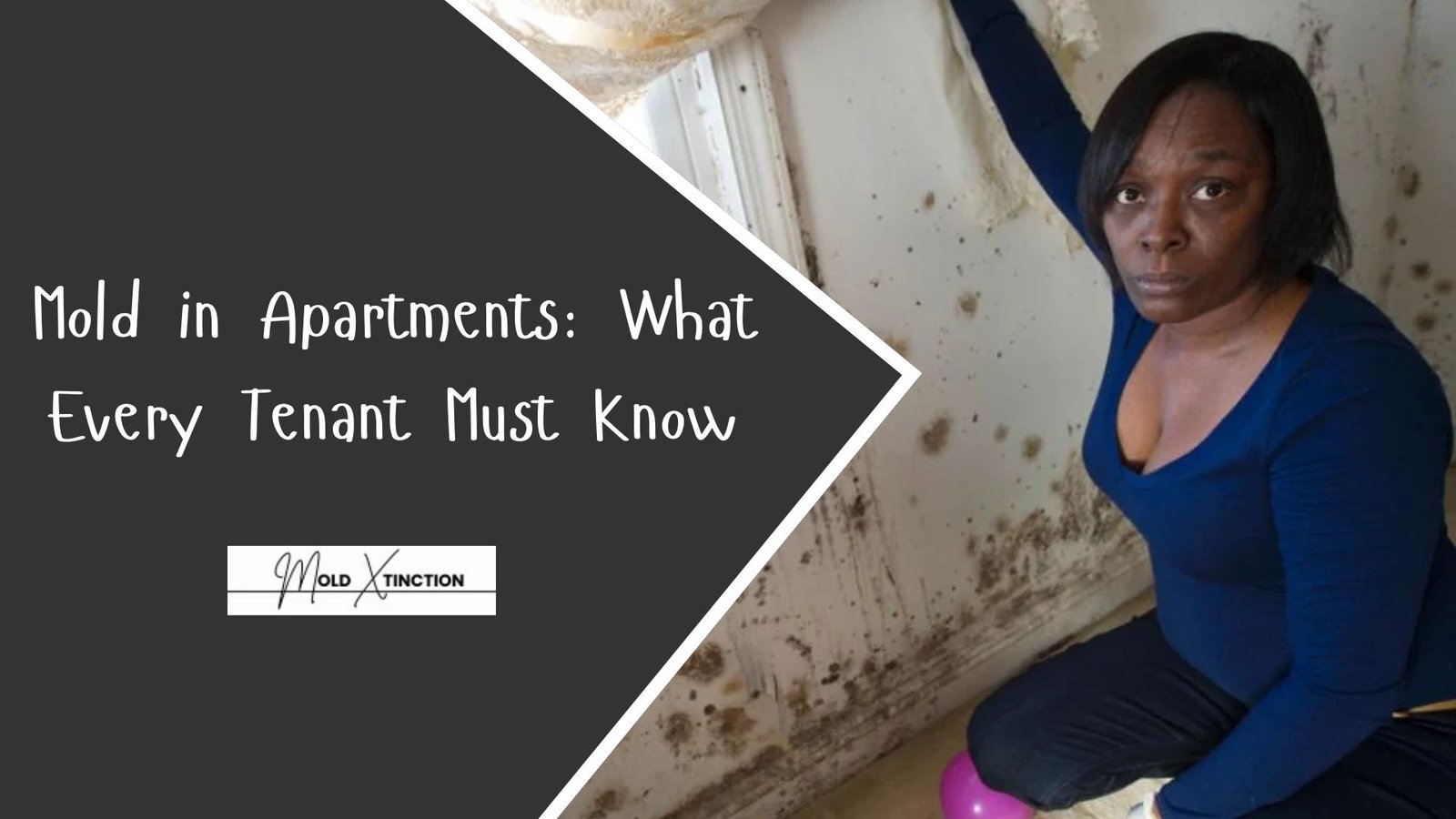
Mold isn’t just about ugly stains on your walls. It’s a living organism that thrives in damp, dark places. If left untreated, it can spread quickly through walls, ceilings, carpets, and even HVAC systems.
Health Risks from Apartment Mold
Exposure to mold can lead to:
- Allergies and sneezing
- Asthma attacks
- Chronic coughing and throat irritation
- Headaches and fatigue
- Skin rashes
- Severe infections in people with weak immune systems
Children, elderly tenants, and people with breathing problems are especially vulnerable. That’s why ignoring mold is never an option.
Common Causes of Mold in Apartments
Before you can fix the problem, you need to understand what causes it.
1. Water Leaks
- Dripping faucets, leaking pipes, or roof leaks often lead to hidden mold growth.
2. Poor Ventilation
- Bathrooms, kitchens, and laundry rooms without proper airflow are hotspots for mold.
3. Flooding and Moisture
- Past flooding, even from a broken washing machine, can leave behind hidden mold.
4. High Humidity Levels
- Apartments in humid climates or with poor air circulation can trap moisture in walls.
5. Neglect by Landlord
- Failure to repair leaks or maintain the property often leads to recurring mold issues.
Signs of Mold in Your Apartment
Sometimes mold is obvious. Other times, it’s hidden behind walls or under carpets. Look for:
- Musty, damp smell that doesn’t go away
- Dark spots or patches on ceilings, walls, or floors
- Condensation on windows and walls
- Peeling paint or wallpaper
- Persistent health issues like coughing or allergies that improve when you leave home
If you notice any of these, it’s time to act.
What Tenants Should Do About Mold in Apartments
Knowing what to do can protect both your health and your legal rights.
Step 1: Document the Problem
Take photos, videos, and detailed notes about where and when you noticed the mold. This is important if legal action is needed later.
Step 2: Notify Your Landlord
Always report mold in writing (email or letter). Keep a copy for your records. Be clear and specific about the location and extent of the mold.
Step 3: Request an Inspection or Repairs
Landlords are usually responsible for fixing mold problems caused by leaks, structural issues, or poor maintenance.
Step 4: Contact Local Health or Housing Authorities
If your landlord refuses to act, you may file a complaint with your city’s housing department.
Step 5: Protect Yourself While Waiting
- Use a dehumidifier
- Open windows for ventilation
- Avoid cleaning large areas of mold on your own (small spots on tiles may be safe to wipe with diluted bleach or vinegar, but never handle large infestations without professional help).
Who Is Responsible for Mold in Apartments?
The answer depends on the cause.
- Landlord Responsibility: If mold is due to building leaks, plumbing issues, or poor maintenance.
- Tenant Responsibility: If mold grows because of tenant behavior, like failing to ventilate or leaving spills untreated.
Most leases require landlords to provide a habitable living space. Mold usually makes an apartment uninhabitable, which means landlords often must act quickly.
Tenant Rights When Dealing with Mold
1. Right to a Safe Living Space
Most states in the U.S. recognize that landlords must provide a home free from dangerous conditions, including mold.
2. Right to Repairs
You can request repairs within a reasonable time. If ignored, some states allow tenants to:
- Withhold rent
- Pay for repairs and deduct the cost from rent
- Break the lease without penalty
3. Right to Compensation
If you suffer health problems or property damage due to mold, you may have legal grounds to seek compensation.
Preventing Mold in Apartments
Even if your landlord fixes the issue, preventing mold from coming back is key.
Everyday Tips for Tenants
- Keep humidity below 50% using dehumidifiers
- Always run bathroom fans when showering
- Wipe down wet surfaces quickly
- Don’t block air vents with furniture
- Keep windows slightly open for ventilation when possible
Long-Term Prevention
- Report leaks immediately
- Request mold-resistant paint in problem areas
- Store belongings in sealed bins, not cardboard boxes that absorb moisture
When to Seek Professional Help
If the mold covers more than 10 square feet, the EPA recommends professional remediation. Tenants should never try to handle large mold growths alone.
Professional mold removal involves:
- Identifying hidden mold behind walls and ceilings
- Using industrial dehumidifiers and HEPA filters
- Safely removing contaminated materials
- Preventing recurrence with sealing and repairs
Real-Life Scenarios of Mold in Apartments
Understanding real cases makes it easier to see how serious mold can become if ignored.
- Case 1: The Hidden Bathroom Leak
A tenant noticed a faint smell in the bathroom but saw no visible mold. Months later, black mold was discovered behind the tiles because of a slow plumbing leak. The landlord had to replace the entire wall. Lesson: never ignore odors, even without visible growth. - Case 2: The Window Condensation Problem
In a humid city, a renter constantly kept windows closed to avoid heat loss. This caused condensation and mold around window frames. In this case, the tenant was partly responsible because ventilation was ignored. - Case 3: The Neglectful Landlord
A family reported water damage after a storm, but the landlord delayed repairs. Mold spread across the living room ceiling, and the children developed persistent coughs. After legal action, the landlord was forced to pay medical bills and damages.
These examples show why quick action matters for both tenants and landlords.
How to Communicate With Your Landlord About Mold
Many tenants struggle with how to approach landlords about mold without conflict. Here’s the best strategy:
- Be Professional, Not Emotional
Stick to facts—when you noticed the mold, where it is, and how it’s affecting your health or belongings. - Provide Evidence
Attach photos, videos, or even receipts if you’ve had to buy cleaning supplies or dehumidifiers. - Request Action Clearly
Instead of just saying “there’s mold,” write: “I request that the bathroom leak be repaired and mold remediation done within 14 days.” - Keep Everything in Writing
Emails or letters are better than phone calls. Written proof helps if you need to go to court or file a complaint.
Legal Insights: Mold and Tenant Rights in Different States
Laws vary depending on where you live, but here are some general rules that apply across many U.S. states:
- Implied Warranty of Habitability – Most states require landlords to keep apartments livable. Mold usually violates this rule.
- Repair and Deduct Laws – Some states allow tenants to pay for mold cleanup and subtract the cost from rent if the landlord refuses.
- Rent Withholding – In certain areas, tenants can stop paying rent until mold is fixed, but this must be done legally to avoid eviction.
- Constructive Eviction – If mold makes an apartment completely unsafe, tenants may break the lease without penalty.
If you’re unsure, check your local tenant rights organization or housing authority.
Mold in Apartments vs. Houses: Why Tenants Face More Risk
Mold problems in houses can often be fixed quickly by homeowners. But in apartments, things are trickier:
- Mold may spread between units through ventilation systems.
- Leaks in one apartment can cause mold in the unit below.
- Tenants have less control over building maintenance.
This makes it even more important for renters to report issues quickly and push landlords for proper solutions.
The Cost of Ignoring Mold in Apartments
Many people underestimate how expensive mold can get. Here’s what could happen if left untreated:
- Property Damage – Furniture, clothing, and electronics can be ruined by mold.
- Health Bills – Doctor visits, allergy treatments, and even hospital stays.
- Lower Property Value – Landlords risk long-term damage and loss of future tenants.
- Legal Costs – Both tenants and landlords may face lawsuits over neglected mold problems.
Prevention and early repair are always cheaper than ignoring the problem.
Advanced Prevention Tips for Tenants
You already know about ventilation and cleaning, but here are deeper strategies to keep mold away:
- Invest in a Smart Humidity Monitor
These devices alert you when indoor humidity rises above 50%, giving you time to act. - Use Mold-Resistant Curtains and Shower Liners
They prevent mold growth in bathrooms, one of the top problem areas. - Keep Furniture Slightly Away from Walls
Airflow behind couches and wardrobes reduces condensation. - Choose Mold-Resistant Paint
If allowed by your landlord, this is excellent for bathrooms and kitchens. - Clean Air Conditioners Regularly
Mold often grows inside AC units and spreads spores through the apartment.
How to Handle Mold-Related Health Problems
If you suspect mold is making you sick, take these steps:
- See a Doctor – Explain your symptoms and mention possible mold exposure.
- Allergy Testing – Some doctors can test for mold allergies or sensitivity.
- Document Medical Visits – Keep records in case you need to prove your landlord’s negligence.
- Limit Exposure – Spend time outside or at a friend’s place until the mold is addressed.
Expert Advice: When It’s Time to Move Out
Sometimes, the safest option is to leave the apartment altogether. Consider moving out if:
- Mold keeps returning despite repairs.
- Your health is seriously affected.
- Your landlord refuses to cooperate.
- An official inspection confirms unsafe living conditions.
Moving is stressful, but your health is worth more than staying in a toxic environment.
Why Acting Fast on Mold in Apartments Protects Everyone
The longer mold sits, the more dangerous and expensive it becomes. Acting quickly benefits both tenants and landlords:
- Tenants stay healthy and avoid losing property.
- Landlords save money by preventing bigger repairs and lawsuits.
- Neighbors avoid mold spreading between units.
It’s not just about individual apartments—it’s about protecting the entire building community.
FAQs on Mold in Apartments
Q1: Can I break my lease because of mold in my apartment?
Yes, in many states you can legally break your lease if your landlord refuses to fix a serious mold problem that makes the apartment uninhabitable.
Q2: What should I do if my landlord ignores my mold complaint?
Document everything, contact your local housing authority, and consider legal action. In some cases, you can withhold rent until repairs are made.
Q3: Is mold in apartments dangerous to live with?
Yes. Mold can cause respiratory problems, allergies, and serious health issues, especially for children, elderly tenants, and people with asthma.
Q4: Who pays for mold cleanup in apartments?
If mold is due to building issues like leaks or poor maintenance, the landlord usually pays. If it’s caused by tenant negligence, the tenant may be responsible.
Q5: Can I clean mold in my apartment myself?
Small patches on tiles or windows may be cleaned with vinegar or diluted bleach. But if the mold covers a large area or keeps coming back, you need professional help.
Q6: How can I prove my landlord is responsible for mold?
Take photos, keep written records of leaks, and save copies of all communication. If needed, request an inspection from a health or housing agency.
Helpful Guide:
Conclusion
Mold in apartments is more than just an eyesore, it’s a serious health and safety issue. As a tenant, you have the right to live in a safe, mold-free environment. Always document the problem, notify your landlord in writing, and take steps to protect your health.
Don’t wait for the problem to get worse. If you spot mold in your apartment, act fast. Protect your health, know your rights, and demand a safe place to call home.
Disclaimer: This article is for informational purposes only and is not a substitute for professional advice, diagnosis, or treatment. Always consult a qualified mold remediation specialist or healthcare provider for concerns about mold exposure or removal.