
We are sharing the top 5 Products That Actually Reduce Mold-Related Allergies for you to know, and we have provided a step-by-step guide on how those products can be used safely and effectively.
You wake up with a runny nose, sore throat or scratchy eyes? Mold could be the culprit. Mold can be found in wet rooms, cellars, even under the appliances. You can’t see it but the spores are floating in the air and making you sneeze, congested and uncomfortable.
Mold allergies can be overwhelming but the right tools and habits can make a big difference. I have tried thousands of tricks over the years, opening windows, cheap sprays, even vinegar bowls but nothing worked. Until I found solutions that actually work after some experimentation and with the guidance of allergy specialists.
Top 5 Products That Actually Reduce Mold-Related Allergies
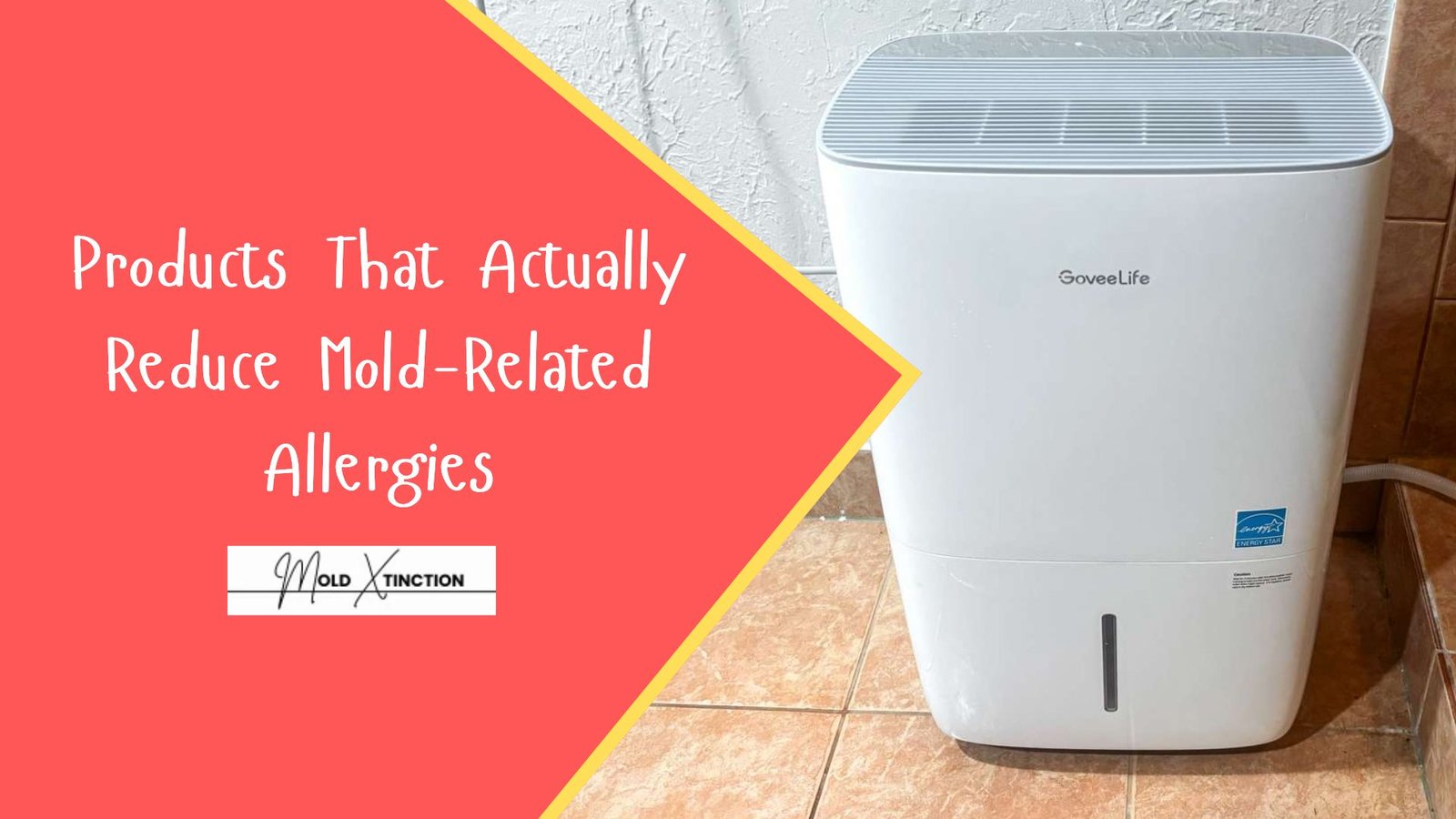
These are the 5 products that made the biggest difference in my life and in the lives of many of my friends and have step-by-step instructions and safety measures to use them properly.
1. HEPA Filtered Air Purifiers.
The spores of the mould suspended in the air and which cause allergy can be eliminated with the help of air purifiers. Even tiny particles can be caught by Hepa (High Efficiency Particulate air) filters.
Step-by-step directions:
- Select the appropriate size: Select the purifier based on the size of your room. Box check square footage coverage.
- Position: Position unit several inches away or clear of walls or furniture. The two priority areas are bedrooms and living rooms.
- Filter check: Make sure it has a genuine HEPA filter for mold spores. Change as per the instructions of the manufacturer (usually 6-12 months).
- Run daily: Run for 8-12 hours. High settings should be used when cleaning or cooking or when it’s humid.
- Safety: Don’t get in contact with water and don’t put furniture and curtains over the air intake.
Additional tip: Automatic sensor models regulate the airflow depending on the air quality, so 24/7 protection. After a few days, you’ll have clearer sinuses and less sneezes and you can even sleep better.
2. Dehumidifiers
Dehumidifiers dry the air, which prevents mold growth.
One of the primary reasons as to why mold may grow in particular areas such as the bathroom, basements and laundry rooms is due to the high humidity.
Step-by-step directions:
- Location: install in wet spaces – basements, bathrooms or in proximity to laundry equipment.
- Installation: Fill up the water tank or connect a drainage hose to run continuously.
- Everyday use: Use until the humidity is less than 50%.
- Use a hygrometer to monitor levels.
- Empty tank: Do this daily or when full to prevent stagnant water which can promote mold growth.
- Filter maintenance: Clean filters every 2–4 weeks to maintain efficiency.
Safety precautions:
- Keep children, pets and electrical outlets away.
- Turn off before cleaning or repairing.
- Avoid touching moving parts while the unit is running.
Bonus tip: Dehumidifiers not only stop molds but also make the air feel lighter, make laundry dry in time and get rid of musty smell which reduce allergy triggers.
3. Anti-Mold Cleaning Sprays
An excellent anti-mold spray will kill the spores and prevent growth. Low end sprays will merely mask the odor without destroying the mold.
Step-by-step directions:
- Select a cleaner: Select a product that contains fungicidal elements. Avoid the scented ones.
- Target areas: Pay attention to tiles around bathroom, shower curtains, window sills, the edges of a fridge and seals around washing machines and hidden corners.
- Spray: Evenly spray and allow to dry up within 5-10 minutes as instructed.
- Wipe or rinse: It is recommended to adhere to the product directions. Others need a rinse and some need wiping.
- Frequent application: apply once a week or once the skin comes into contact with high moisture such as during the rain season or after taking a shower.
Safety precautions:
- Wear gloves to cover your skin.
- Make sure there is adequate ventilation – open the windows or get an exhaust fan.
- Store away when not in use.
- Always keep separated with other cleaners unless it is indicated on the label.
Additional tip: Pay attention to areas that are hard to reach and where mold grows. Five minutes a week on those areas helps to prevent massive infestations and reduce allergy symptoms.
4. Hypoallergenic Mattress and Pillow Covers
Mold spores can be deposited in beddings. Since we spend hours with our faces in pillows, this can cause allergies. Hypoallergenic covers are barriers that don’t allow spores to enter your sleeping room.
Directions for safe usage:
- Select quality covers: Select dust-mite and mold-proof covers that are able to completely cover pillows or mattresses.
- Preparation: Wash bedding before bedding to remove available spores.
- Fitting: The cover should not have any gaps around the mattress or pillow.
- Precaution: Wash every 2-4 weeks according to manufacturer’s directions. Warm or cold water is generally good.
- Additional safety: Wear in combination with frequently washed clothing and bedding.
Safety precautions:
- Zippers should be completely closed.
- Do not use bleach without the recommendation of the manufacturer.
- Use of chemicals is extremely abusive and can destroy the cloth.
- Keep covers away from heat.
Bonus tip: These covers help to minimize contact with molds in a room with little sunlight thus ensuring an allergy-free and undisturbed sleep.
5. Mold Test Kits
Mold test kits find the hidden sources so you can clean and prevent. They will help you see where the spores are concentrated in your house.
Step-by-step directions:
- Choose a kit: The kit should be one that measures air quality or surface contamination.
- Placement: Put sets in suspected areas -bathrooms, basements, laundry rooms, behind appliances.
- Time: Leave the kit untouched (air tests run 2448 hours).
- Results analysis: There are kits with color indicators, and those that can be submitted to the lab. Follow the directions.
- Act on results: Clean, dehumidify, fix or repair areas with high spore levels. Retest to see if it improves.
Safety precautions:
- Wear gloves when handling samples.
- Don’t inhale during spore collection.
- Store kits out of reach of kids and pets.
- Wash hands well after.
Bonus tip: Testing gives you control over the environment. You always know when to clean and not guess where the mold is and you can see the outcome of what you have cleaned.
FAQs About Mold-Related Allergies
1. How do I know I am allergic to mould?
The effects of mold allergies include sneezing, runny/stuffy nose, itchy eyes and scratchy throat at times. Mold may be the cause of the worsening of symptoms in the house, particularly in damp spots. An allergy test performed by the doctor can verify it.
2. Does it mean that air purifiers get rid of mold?
No. Air purifiers will not eradicate the molds present on surfaces but will help to reduce the quantity of molds in the air. They work best where cleaning sprays, dehumidifiers, and frequent home repairs are involved.
3. How many times will I run a dehumidifier?
It can be used every day until the humidity in your house reaches under 50%. The filter should be washed after 2-4 weeks, and the water tank should also be washed frequently to avoid the growth of the mould inside the machine.
4. Are anti-mold cleaning sprays safe in the presence of kids and pets?
Most of the anti-mold sprays used in the market contain chemicals that are irritants to the skin or the eye. Wear gloves, open the space and definitely obey the publisher. Keep kids and pets out of use and out of use.
5. Do mattress and pillow covers help with mold allergy?
Yes. Mold spores can be deposited in the bedding. With hypoallergenic covers, spores can’t build up on pillows and mattresses and that helps minimize allergic reactions during sleep.
6. How do mold test kits work?
The kits used in mould tests check the surface or the air for mould. Some kits change colour to indicate the level of contamination and some need to be sent to the lab. They also help identify the hidden sources so you can target cleaning more directly.
7. Can I combine all these products?
Yes. A combination of solutions is the best: an air purifier to filter spores in the air, a dehumidifier to remove moisture, anti-mold sprays to clean surfaces, bedding in sleeping areas and test kits to find problem areas.
8. How long before I see results?
You’ll see some improvement like breathing less or sneezing less within a few days of using the air purifier or dehumidifier. A few weeks of regular cleaning and moisture control will give you full benefits like less mould on surfaces.
9. Are there natural alternatives to these products?
Since natural methods like vinegar or baking soda can only be effective in small areas, they are less effective than proven products. HEPA filters, dehumidifiers, anti-mold sprays and protective bedding are recommended for severe mould allergies.
10. Can mold allergies be cured?
Mold allergy can’t be treated in most cases but you can control the symptoms with home care and cleaning and the right products. The biggest win for me was the air purifier plus dehumidifier. Anti-mold sprays and bedding covers added to the effect and the problem areas were mapped out with the mold test kits.
Conclusion
Mold allergies make you feel like you’re trapped in your own home but the products and habits change everything. The biggest win for me was the air purifier plus dehumidifier. Anti-mold sprays and bedding covers added to the effect and the problem areas were mapped out with the mold test kits.So these products will fix everything in an instant? No.
Consistency is key. Turn on your dehumidifier every day, reach into the nooks and crannies and wash bedding often. The weekly and monthly difference is impressive. You’ll even feel the benefits in well ventilated, dry, clean rooms when you travel.
You may not be able to get all 5 products at once so a purifier or dehumidifier is a good starting point. And remember: safety first. Follow instructions, ventilate and wear gloves when dealing with chemicals. By doing these you’ll make your house less welcoming to mould and living in it will be less stuffy, lighter and much less itchy.
Helpful Guides: