
What does black mold look like in my home? Forget the name black because not all blacks are that dark, the way you think, yes, it can vary.
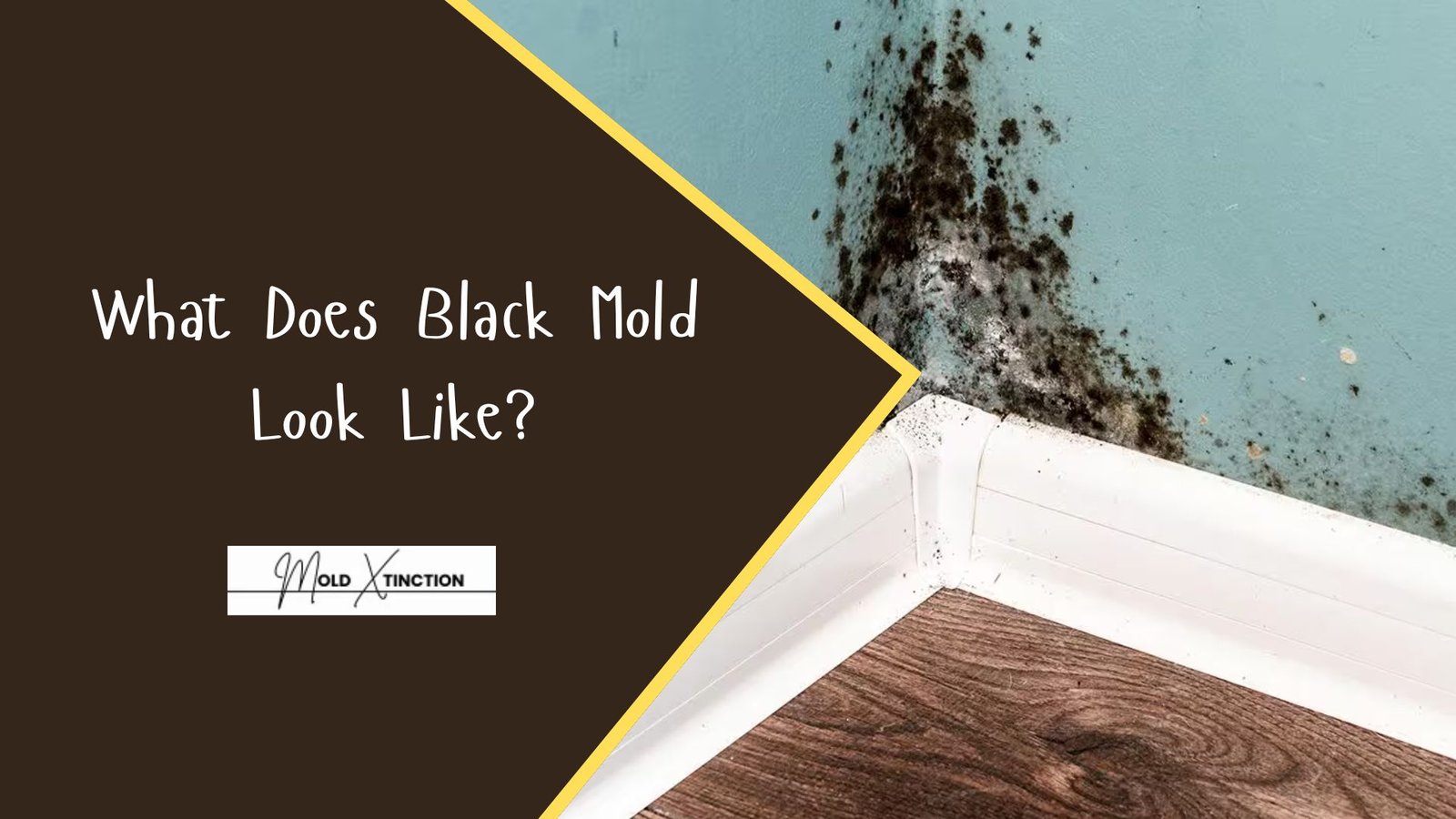
Black mold appears as dark greenish-black or black spots, sometimes with a slimy texture when wet, or a powdery look when dry. It can grow in small patches or spread over large areas if left untreated.
In this article we will show you how to recognize black mold at home. From bathrooms and kitchens to basements and attics, you will learn the common signs and variations of black mold so you can spot it before it becomes a big problem.
You will also learn by the end of this guide why it is the best idea to call a professional remediation service to have black mold removed entirely. Early detection of black mold will save you much trouble, time, and money.
What Is Black Mold?
Black mold or Stachybotrys chartarum is a kind of fungus which develops in wet conditions. Black mould may also harbor toxins that are toxic to humans than normal moulds. It tends to grow in concealed areas behind the walls, under the carpets, or ceiling.
Most individuals wonder, What is black mold? Black mold appears as dark greenish-black or black spots. It can have a slimy texture when wet, or a powdery appearance when dry.
Common Signs of Black Mold in Your Home
One of the important things to do to save the health of your family is to spot black mold early. Here are the common signs:
1. Dark Spots on Walls and Ceilings
Black walls, ceilings or windows are one of the earliest indications of black mold that can be considered open, obvious, and musty marked. Such spots may be either minor or large areas. On some occasions, they appear damp or furry.
2. Musty Smell
You cannot see it, but black mold normally has a characteristic musty odor. Watery or dingy odors are signs that there may be some form of mold active somewhere in the house.
3. Water Damage or Leaks
Black mold loves moisture. Check rooms that havehad water leaks including bath rooms, kitchens or impluvations. Strong indicators are wet surfaces, peeling paint or water stains.
4. Health Symptoms
When people or your family are coughing frequently, sneezing, having headaches, or skin skin-related irritations may have been caused by black mold. People with asthma or allergies and children in particular are very sensitive.
How to Spot Black Mold: Room by Room
Learning where you should look to find mold is equally important as learning what does a black mold look like. Let’s break it down by rooms:
Kitchen
Kitchens are humid and dry, ideal places to mold. Search under the sink, behind the appliances and in the area around the fridge. The appearance of black mold in such places usually resembles black spots or black streaks.
Bathroom
The black mold is most usually present in the bathrooms. Look around the bath, shower, sinks and toilet. Check gaps between a tile. Along these lines, black mould normally appears as dark green or black spots.
Basement
Cellars and basements tend to be wet and leak. Look for mold around pipes, windows or floor corners. The hidden spaces sometimes have mold because of your drywall, or even your carpet, thus it might be important to check secret spots.
Attic
The roof can leak, trapping the moisture in the attics. It may develop molding along wooden beams, insulation or where there are vents. Dark-green or black areas located within the attic should be checked at once.
Black Mold Variations
Black mold does not necessarily appear the same way. This is what some of the variations could look like:
- Slimy Black Mold – appears wet and sticky; it is normally found in bathrooms or dislocation.
- Powdery Black Mold- Appears dry and dusty; it is typically located in insidious locations such as behind walls.
- Greenish-Black Mold – There are black moulds (some dark green in color).
- Round or Irregular Spots, Mold can either be capable of forming a small circle or spreading in an irregular fashion.
You know about the variations now You can recognize mold before it spreads.
Tools to Detect Mold
There are times when you cannot notice mold through your eyes. The following are part of the tools that may assist:
- Flashlight – Shine it into dark corners and behind furniture.
- Whether Gauge Moist detector – Identifies positions of moisture in which mold could take place.
- Magnifying Glass- Use this to see tiny mould spores, which can be difficult to see.
However, despite these tools, the most safe course of action when dealing with mold is to hire one.
Health Risks of Black Mold
Now you understand how dangerous black mold can be, so you will want to do it quickly. Exposure can cause:
- Allergies and asthma attacks
- Skin rashes and irritation
- Headaches and fatigue
Lung issuesParticularly in children, elderly or people who have weakened immunity.
How to Stop Black Mold
Prevention is the best cure. Here’s what you can do:
- Repair roof, pipe or window leaks.
- Use a dehumidifier to maintain indoor humidity at less than 50 percent.
- Make sure that bathrooms and kitchens are well ventilated.
- Wipe wet places off.
- Check around your home and ensure that it is illuminated.
It is possible to clean small foci of molds on those surfaces that cannot have a porous nature, such as tiles or glass, and this task can be performed at home. Use:
- Soap and Water – Scrub the area well
- White Vinegar – Kills most types of mold
- Baking Soda Solution- Wipes of mold spores.
Note: You must always wear gloves and mask when cleaning mold. Alchemy! Cleaning chemicals should not be confused such as bleach and ammonia.
When Should an Expert Remediation Service be Called?
Cleaning small patches are possible, though black mold may be in crevasses or places unlikely to be noticed. Attempting to go without the appropriate equipment may be risky.
When you observe big patches, recurring mould growth, or health conditions, you need to call on a professional mould remedies company. Staff possess the personnel, equipment and machinery to clean/ eliminate mold and ensure that it does not recur.
Keeping this in mind, black mold may propagate quickly and even minor evidence should not be disregarded. Protect your family and your place home by calling a professional.
Conclusion
Black mold can be a minor is,sue but it can easily escalate into a major issue. Knowing what black mold is, inspecting your house regularly, and responding promptly can help you keep your family safe.
When in doubt, don’t risk it. Contact a mold remedial company. They are also trained to locate concealed mould, safely remove it and prevent further growth. Secure your home now and have a healthy environment to live in many years to come.