What happens if you eat mold? There are a lot of food safety facts you should know to stay safe here.
When you open your fridge and see furry green or white patches on bread, fruit or other foods, the first thought that comes to mind is: Can I eat it? When people ask what happens when you eat mold they are often told; it depends. It’s sometimes completely harmless, and sometimes it’s deadly..
Accidents do happen. Maybe you bit into a fruit without any mold on the surface or you bit into a bread and then you saw there was mold on the edge. You can be worried in such situations.
So what can mold do to your body? Is it something that can make you sick instantly or sometimes harmless? Should you rush or wait to see a doctor after taking it.
In this article we will look at the dangers of eating it, the effects it may cause and the precautions to follow if it happens and many more
What Mold on Food Means
Mold is not just the green or white fluffy stuff on the bread or fruit. It’s an organism that spreads through spores. These spores are so small you won’t even notice them with your eyes. Mold is easily nourished once conditions are favorable which includes moisture, warmth and time.
Blue cheese uses some molds in food production like those in the blue veins. These are safe molds picked by food experts. But the mold that grows on your fruit, bread or leftovers is a different story altogether. That type of mold may emit toxins.
Remember after you see mold on the surface it must have already penetrated the food further. This is why it might not be enough to cut off a part in order to be safe.
What Happens If You Eat Mold?
In most people a small spoonful of mold won’t hurt you. You might not even feel anything. Mold can cause health problems in some cases depending on the type, amount consumed and your health status.
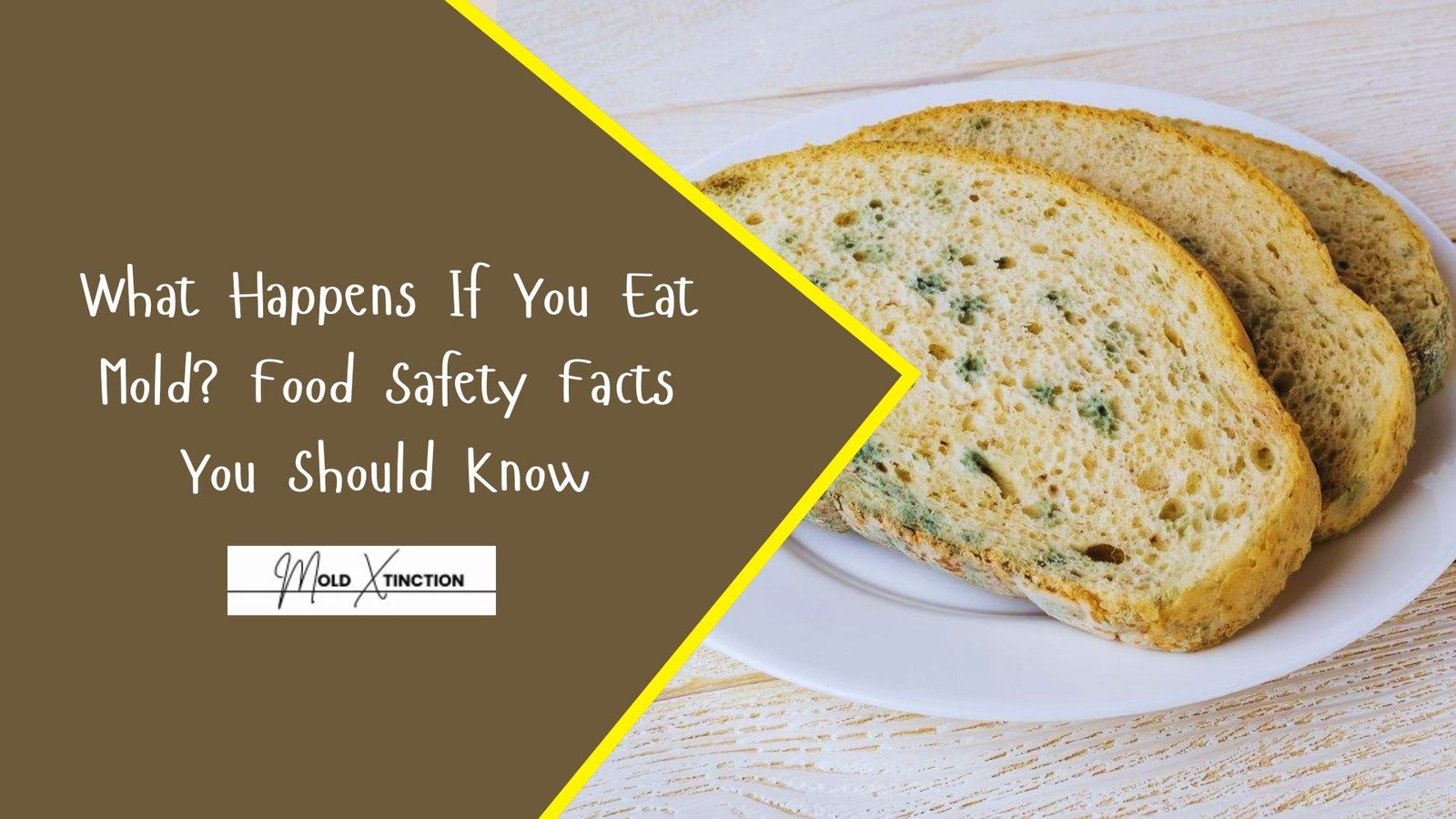
What If I Eat Mold?
The situation can be:
- Mild stomach upset sometimes the person feels cold, vomits or even diarrhea.
- Allergic reaction-Sneezing, itching of the eyes or difficulty in breathing may occur when the allergic person is exposed to mold.3. Food poisoning – Some molds have poisons called mycotoxins and can cause a more severe reaction.
- Serious illness to susceptible individuals-Children, the elderly or those with weak immune system can get sick after eating mold.
So not all are bad but never take the chance.
Common Outcome for Eating Mold Accidentally
So when someone asks what happens when you eat mold they want to know what can happen. Here are some of the possibilities in simplest terms:
- Stomach upset: Diet: Mold is not supposed to be eaten. Your stomach will treat it as an invader and may cause cramps or diarrhea.
- Allergic reactions: Mold can trigger your body’s defense mechanisms if you are sensitive. This will result to coughing, sneezing and runny nose or skin rashes.
- Toxin damage: Some of these molds release mycotoxins and this damages the food. Your liver and kidneys will be damaged in the long run if you eat contaminated food continuously.
- Respiratory problems: You can be exposed to spores through moldy food that can cause lung problems and you will either wheeze or have difficulty breathing.
Although you may feel fine when you eat mold once, when you eat it repeatedly it can harm your body. That’s why food safety experts will never want you to save food with molds.
Foods That Grow Mold Easily
Some foods grow mold faster than others. Here are a few examples that you must always double check:
- Bread & baked products
- Fruits like strawberries, oranges and apples
- Cheese – especially soft cheese
- Cooked food that has not been used
- Stored in moist areas, nuts and grains.
The most at-risk foods are moist and soft. An example of this is when a bread with molds on the surface of the bread, it may already be spread on the whole bread. Don’t forget that an infected fruit is prone to contaminating another easily.
If you notice mold in them, please throw them away.
Is Mold Bad to Eat?
You may ask yourself: Is mold always bad to eat? The truth is no–but it’s always a risk. Some can eat moldy bread and be fine while others will get very sick.
The risk is posed by two factors;
- Unknown type of mold – Mold types are not the same. Some are non-poisonous and some are poisonous.
- Your body’s response – People with immune problems or allergies tend to get serious issues. You don’t know what kind of mold so you don’t know how to deal with it, just don’t eat.
Warning Signs and Symptoms to Watch Out For
If you or someone you know ate mold by accident, here are the symptoms to look out for:
- Nausea
- Vomiting
- Diarrhea
- Stomach pain
- Allergy symptoms, i.e, “running nose, sneezing, coughing, itchy eyes,” etc
- Breathing difficulty
Symptoms may start in hours or the following day. In healthy people, mild illness goes away by itself. If you have severe pain, become dehydrated or suddenly unable to breathe, that’s the time to go see a GP.
What You Should Do If You Have Eaten Mould
So you ate mold and now you’re not feeling well? Safe steps to take:
- Don’t panic – A little dose won’t kill you.
- Drink water – Use this to flush out the mold and reduce irritation.
- AVOID FORCED vomiting – let your body respond.
- Keep track of your symptoms – You should note down what you consume and how you feel.
- Go to a doctor – In case of severe symptoms, or in case of a poor immune system
It is always safer to play it on the safer side and visit the doctor when unsure.
Food Safety Facts You Should Know to Stop Mold from Growing on Food
Prevention is the best way to escape the effects of eating mold. Here’s how:
- Put food in the fridge or freezer.
- Store food in air tight containers.
- Leave unopened leftovers open for too long.
- Check fruits and vegetables frequently and get rid of the spoiled ones.
- Buy smaller quantities of food to avoid food storage for weeks.
- Try to keep your kitchen dry and clean because there should not be much moisture.
Little things, such as mopping up spills quickly and by doing a regular fridge clean-up helps prevent mold.
Mold in the Home: More Than Just Food
Although this article talks about mold in food, mold in your home is just as bad. Mold can release spores into the air if you see it on your walls, bathroom tiles or in the basement. These spores can attach themselves to your food and also affect your health through breathing them.Mold in the home can cause the same problems as eating mold- allergies, breathing difficulty and even chronic illness. That’s why mold should be removed not just cleaned.
First step to staying healthy is a clean kitchen and a dry home environment.
When to Call the Professionals for Help
Continuous mold growth in your home means you may need to clean it yourself. Mold roots don’t show up after using household cleaners on the surface. That’s why mold can come back.
To take care of not only your health but your family’s health, the smartest thing to do is to call a professional mold remediation company. Professionals have the right equipment and knowledge to get rid of mold completely and safely so it won’t come back.
Professional help is especially needed in case of:
- The area covered by mold is very big.
- Mold cleaning continues to happen.
- There’s someone in your home with allergies or breathing problems.
- You see mold in areas outside of the kitchen such as walls and underneath floors.
Conclusion
And now we finally have the answer to the big question: What happens when you eat mold? The truth is that nothing will happen or nothing can happen but sometimes it may cause food poisoning or an allergic reaction or even worse. Because you are not aware of whether this mold is toxic or not, then you should just avoid mold in your foods.
Before eating, look at your food, keep it in good condition and get rid of any food that doesn’t seem to be in good condition.
It’s not worth saving those few bites of bread or fruit and put your health above them.
And don’t forget that mold on food usually means mold in the house. You should not hesitate to start mold treatment if you see a recurring issue of molds in the kitchen, pantry or walls. Hire an expert cleaning team to save your home and the people you love.
Helpful Guide: Best Mold Prevention Paints for Walls, Bathrooms & Basements